News & updates

RSS

Tips, updates, and guides from the JellyWatch team.

134 results for "guide"

The Jellyfin Bandwidth Calculator: How Many Users Can Your Upload Speed Handle? (2026)
7 min read 544

The Jellyfin Bandwidth Calculator: How Many Users Can Your Upload Speed Handle? (2026)

Your Jellyfin server is only as good as your internet upload speed for remote users. This practical guide provides exact bandwidth calculations for every streaming scenario: 1080p encodes, 4K remuxes, transcoded streams, and simultaneous users. Includes a simple formula to calculate your maximum concurrent remote streams, ISP upload speed recommendations, and strategies to serve more users with limited bandwidth.
Jellyfin Power Consumption Guide 2026: Real Measurements for N100, N305, NAS, and Old PCs (Kill-A-Watt Tested)
7 min read 152

Jellyfin Power Consumption Guide 2026: Real Measurements for N100, N305, NAS, and Old PCs (Kill-A-Watt Tested)

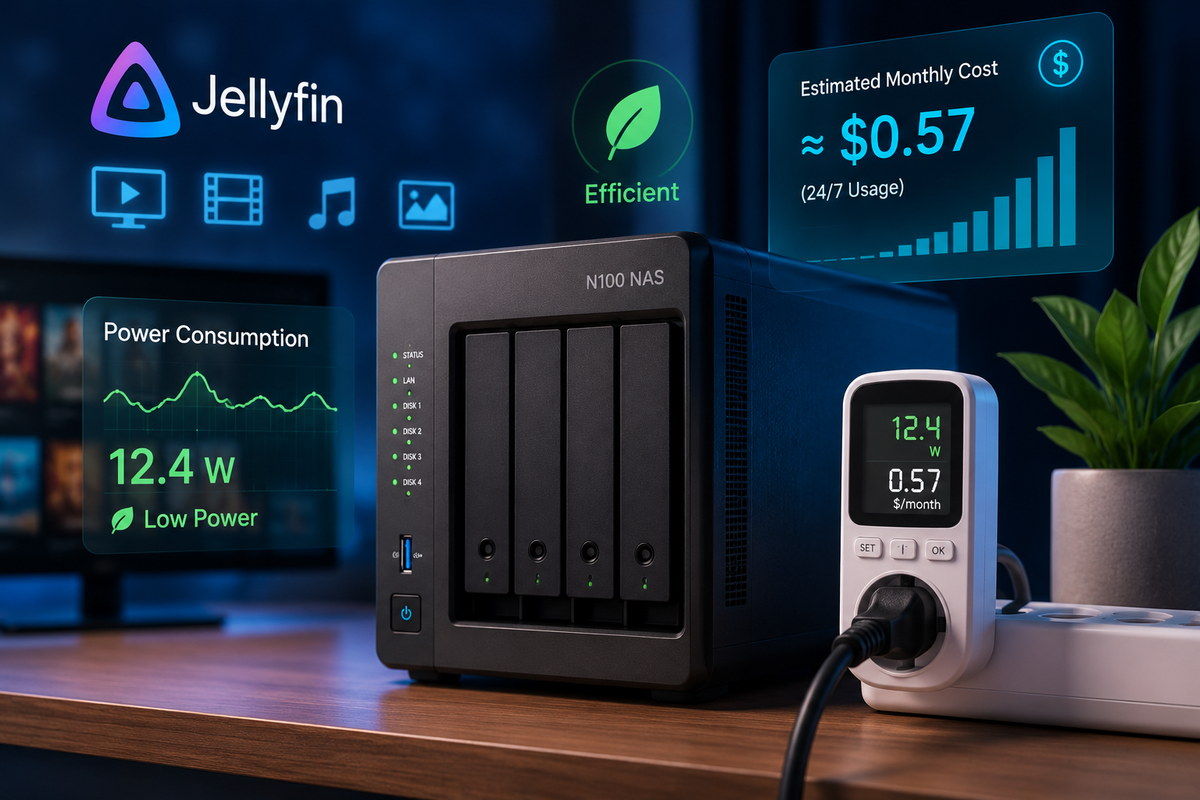
How much electricity does your Jellyfin server actually use? We measured real-world power draw with a Kill-A-Watt meter across 8 common setups: Intel N100, N305, Synology NAS, old laptop, desktop PC, Raspberry Pi 5, Nvidia Shield, and a full rack server. Includes idle vs transcoding watts, annual electricity cost, and the break-even point for upgrading hardware.

Tracearr: The Universal Playback Tracker for Jellyfin, Emby, and Plex (2026 Setup Guide)
5 min read 324

Tracearr: The Universal Playback Tracker for Jellyfin, Emby, and Plex (2026 Setup Guide)

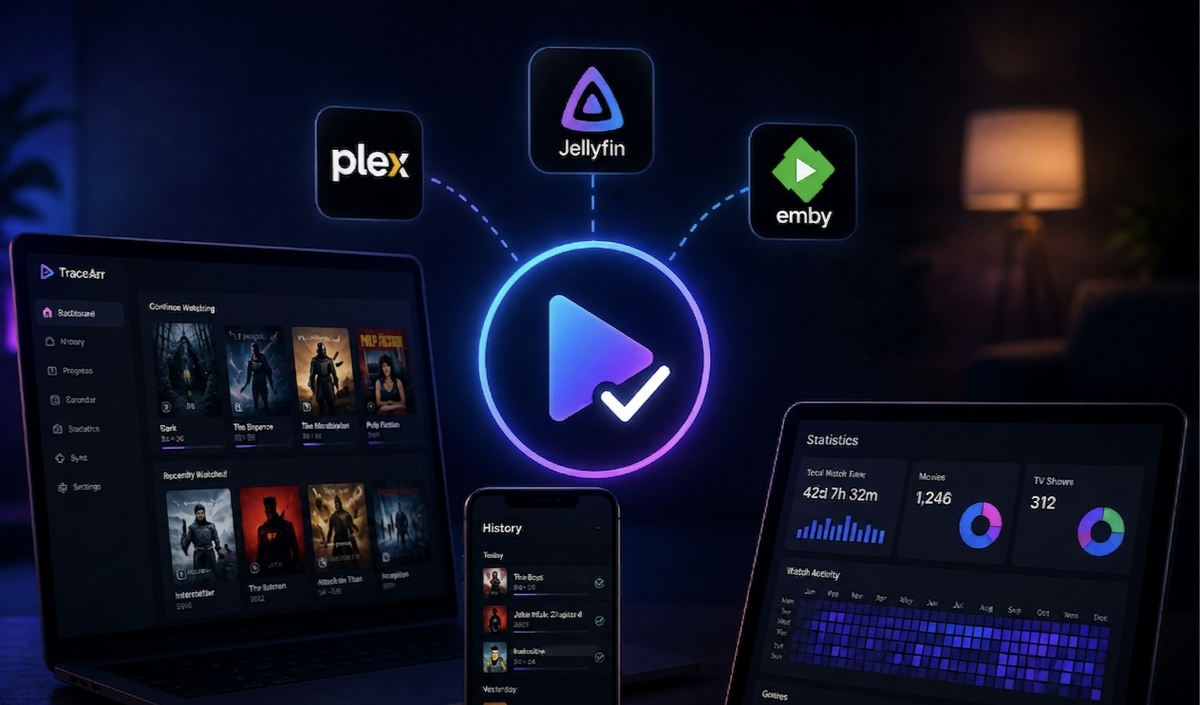
Tracearr is a self-hosted playback tracking application that records viewing history from Jellyfin, Emby, and Plex simultaneously into a single unified database. Unlike server-specific plugins (Jellyfin Playback Reporting, Tautulli), Tracearr provides cross-platform analytics, long-term history retention, and integrates with tools like Emby Wrapped and Reclaimerr for year-in-review stats and storage cleanup decisions.

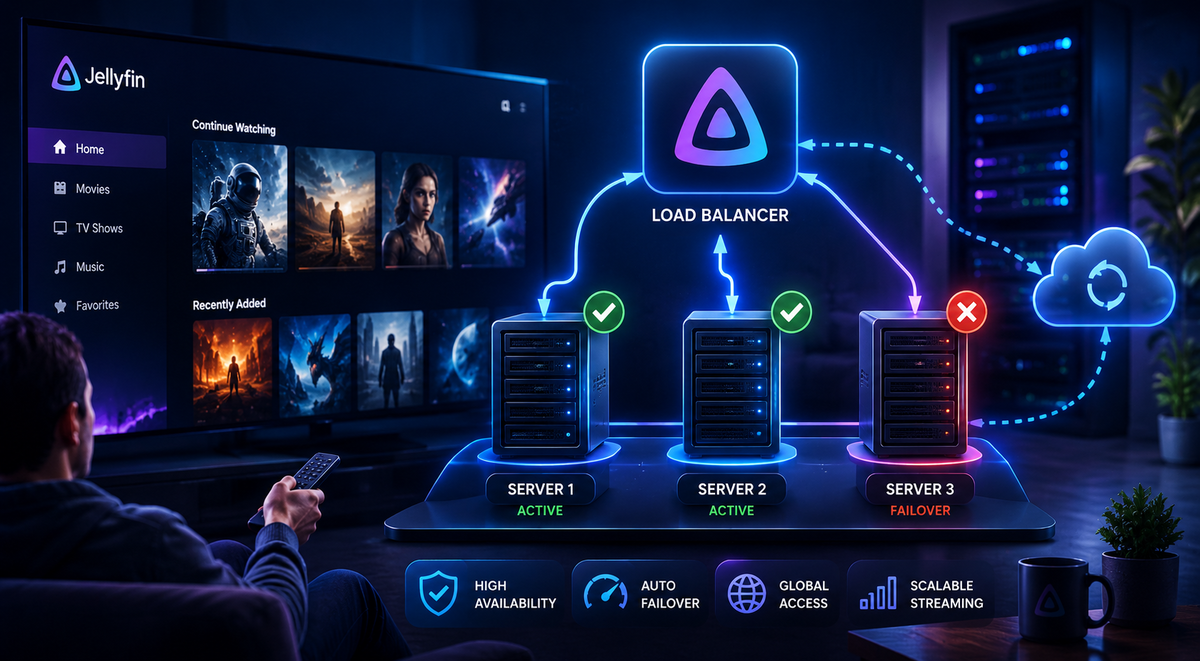
Jellyfin Multi-Server Architecture 2026: Load Balancing, Failover, and Geo-Distribution
6 min read 538

Jellyfin Multi-Server Architecture 2026: Load Balancing, Failover, and Geo-Distribution

Running one Jellyfin server works for most users. But what happens when you have 20+ concurrent users, need geographic distribution for remote viewers, or require zero-downtime maintenance? This advanced guide covers multi-server Jellyfin architectures: shared storage with multiple instances behind a load balancer, active-passive failover, geo-distributed servers with WatchState sync, and the honest limitations of scaling Jellyfin beyond a single node.

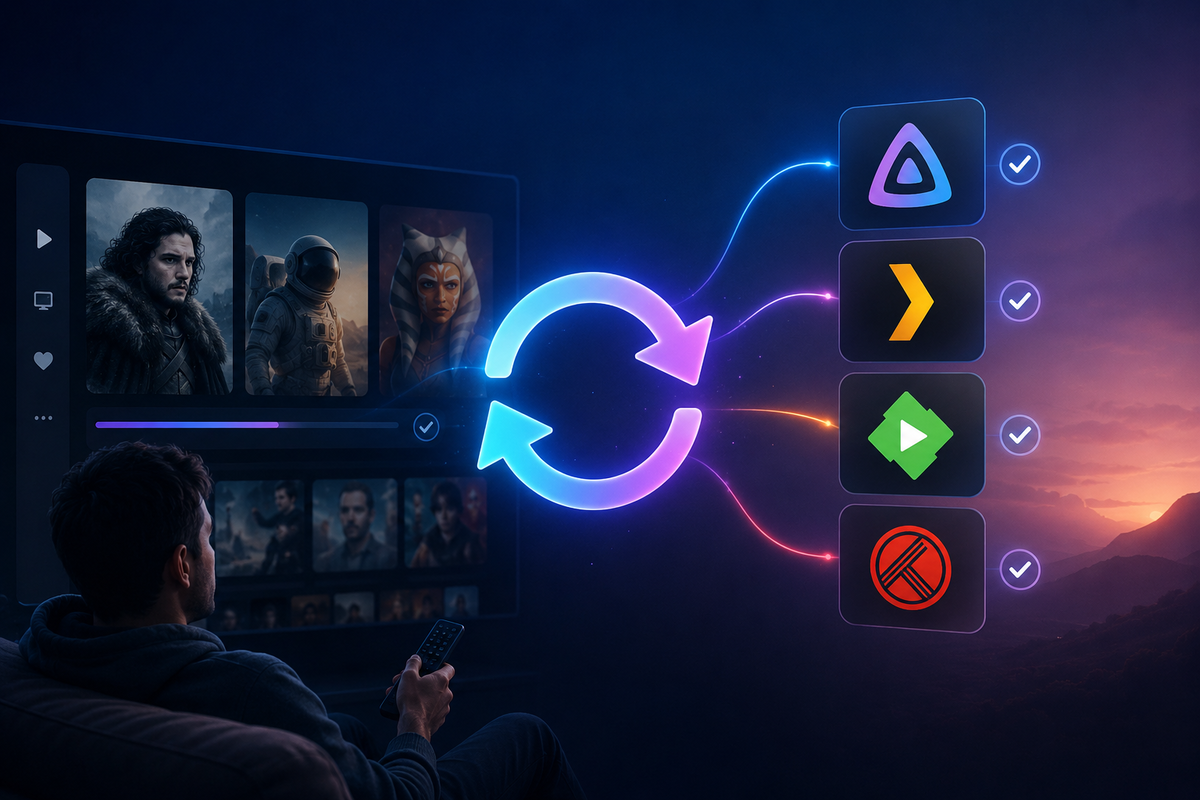
WatchState: Sync Watch History Between Jellyfin, Plex, Emby, and Trakt Simultaneously (2026 Guide)
6 min read 843

WatchState: Sync Watch History Between Jellyfin, Plex, Emby, and Trakt Simultaneously (2026 Guide)

WatchState is a self-hosted tool that synchronizes watch history and play state between multiple media servers and tracking services simultaneously. Run Jellyfin and Plex pointing at the same library? WatchState keeps watched status in sync across both. Migrating from Plex to Jellyfin? WatchState transfers your entire history. This guide covers Docker setup, multi-backend configuration, conflict resolution, and real-world sync workflows.

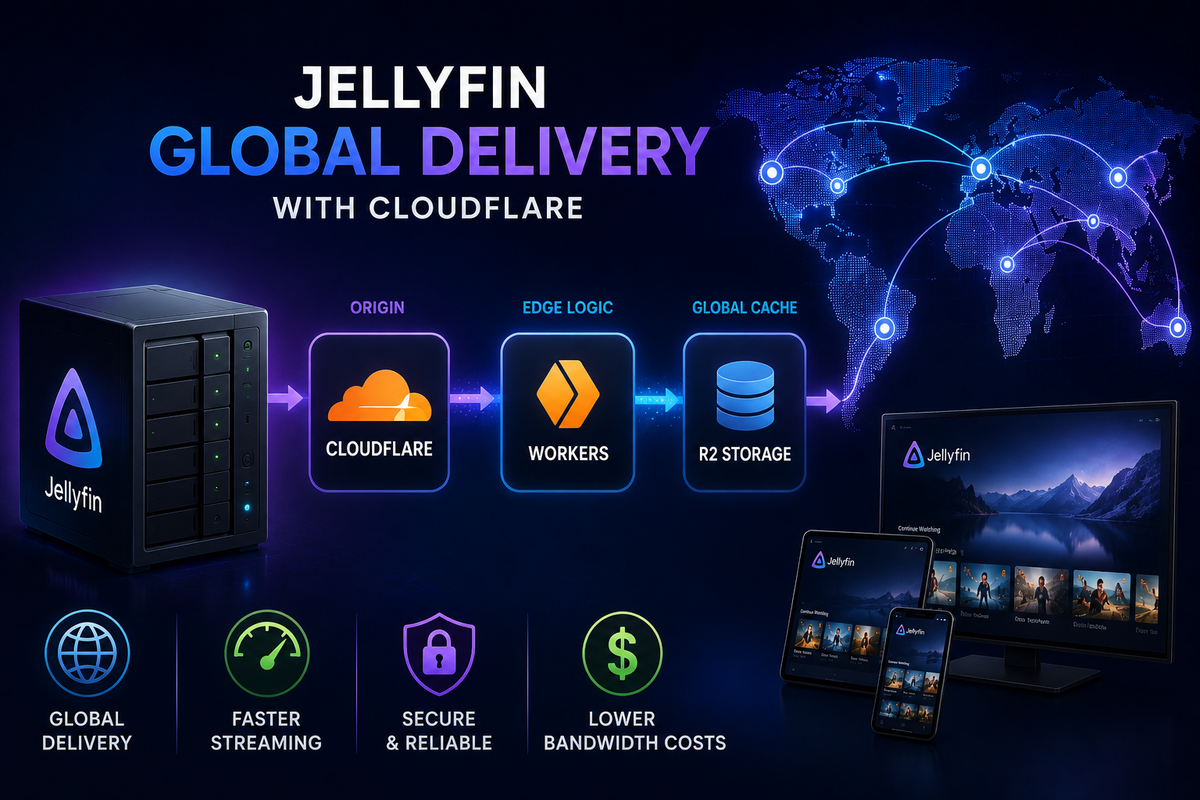
Building a Jellyfin CDN with Cloudflare R2 and Workers: Global Media Delivery (2026)
6 min read 199

Building a Jellyfin CDN with Cloudflare R2 and Workers: Global Media Delivery (2026)

Serve your Jellyfin library to users worldwide with low latency using Cloudflare R2 for storage and Workers for edge logic. This advanced guide covers uploading media to R2, creating STRM files for Jellyfin, building a Worker that handles range requests and authentication, cost analysis vs traditional VPS hosting, and the honest limitations of this approach.

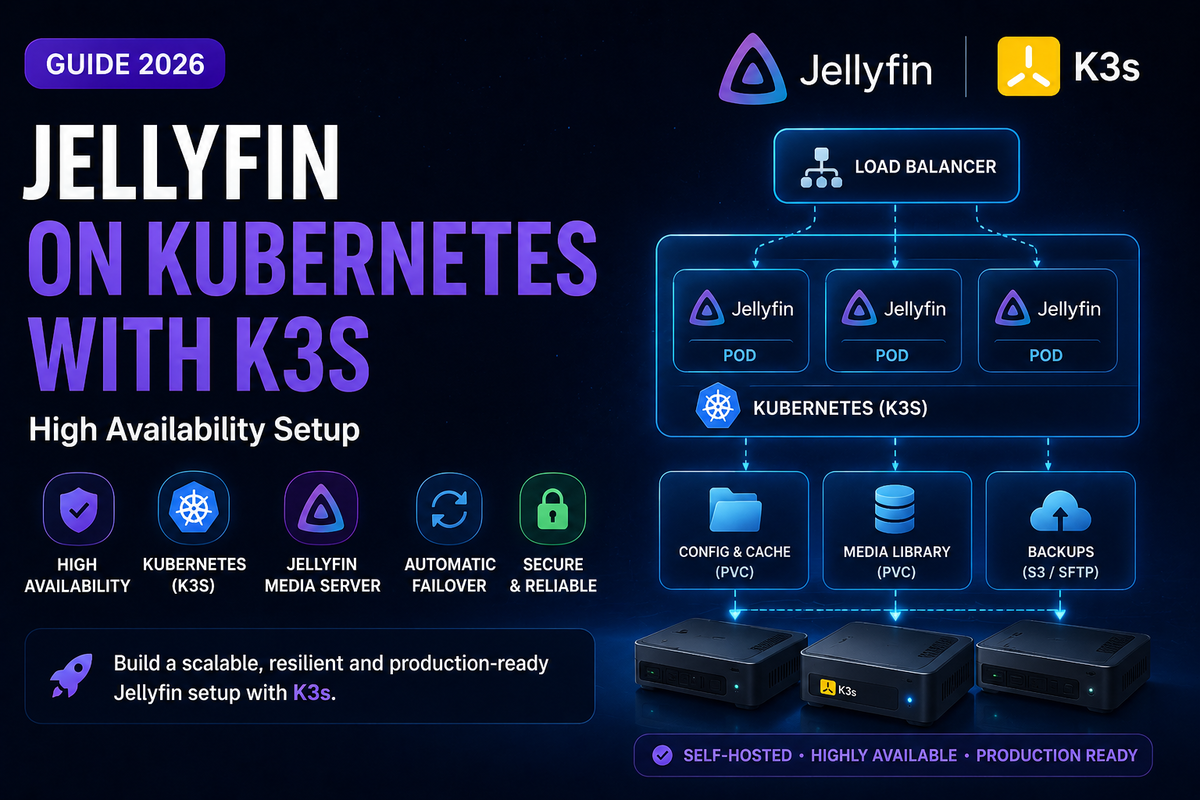
Jellyfin on Kubernetes (K3s) 2026: High-Availability Media Server with Intel GPU and Persistent Storage
7 min read 269

Jellyfin on Kubernetes (K3s) 2026: High-Availability Media Server with Intel GPU and Persistent Storage

Run Jellyfin on Kubernetes using K3s for automatic restarts, rolling updates, and multi-node scaling. This guide covers K3s installation, Helm chart deployment, Intel GPU device plugin for hardware transcoding, persistent volume claims for config and media, Ingress with cert-manager for HTTPS, and horizontal pod autoscaling.

The Complete Self-Hosted Media Stack 2026: From Request to Stream (Full Architecture Guide)
9 min read 809

The Complete Self-Hosted Media Stack 2026: From Request to Stream (Full Architecture Guide)

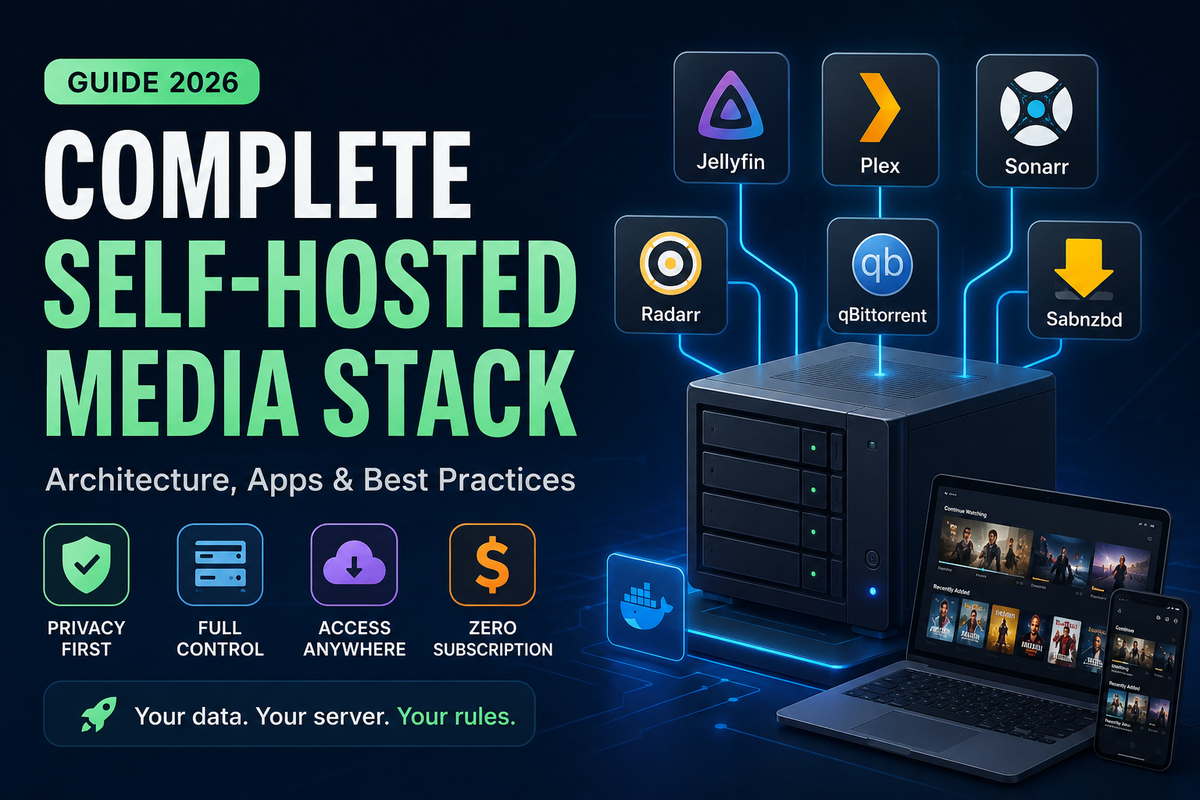
Every tool in the self-hosted media ecosystem explained, how they connect, and the exact data flow from a user requesting a movie to it playing on their TV. Covers Seerr, Prowlarr, Radarr, Sonarr, qBittorrent, Bazarr, Tdarr, Jellyfin, and monitoring. Includes the complete Docker Compose and visual architecture.

Replacing Tautulli After Leaving Plex: The Complete Jellyfin and Emby Monitoring Guide (2026)
11 min read 379

Replacing Tautulli After Leaving Plex: The Complete Jellyfin and Emby Monitoring Guide (2026)

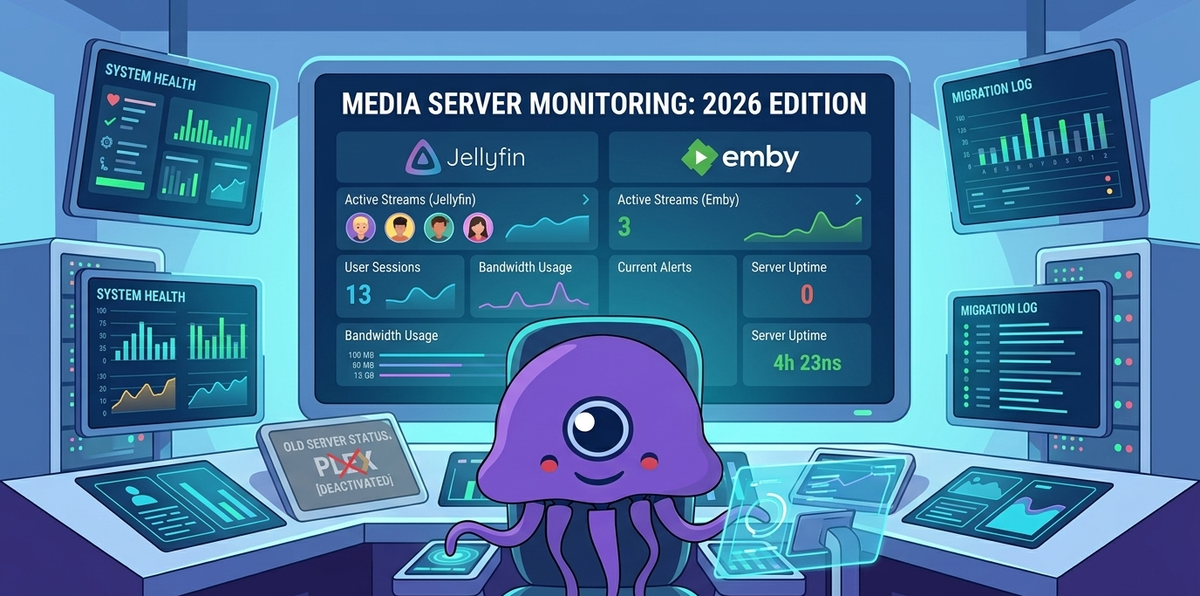
You left Plex. Your media is on Jellyfin or Emby. Everything works, except you have no idea who is watching what. Tautulli was your dashboard for years and it does not work with anything except Plex. This guide covers every replacement option: JellyWatch for mobile monitoring with push notifications, Jellystat for web-based analytics, Streamystats for lightweight stats, and how to combine them for complete visibility.