News & updates

RSS

Tips, updates, and guides from the JellyWatch team.

51 results for "ai"

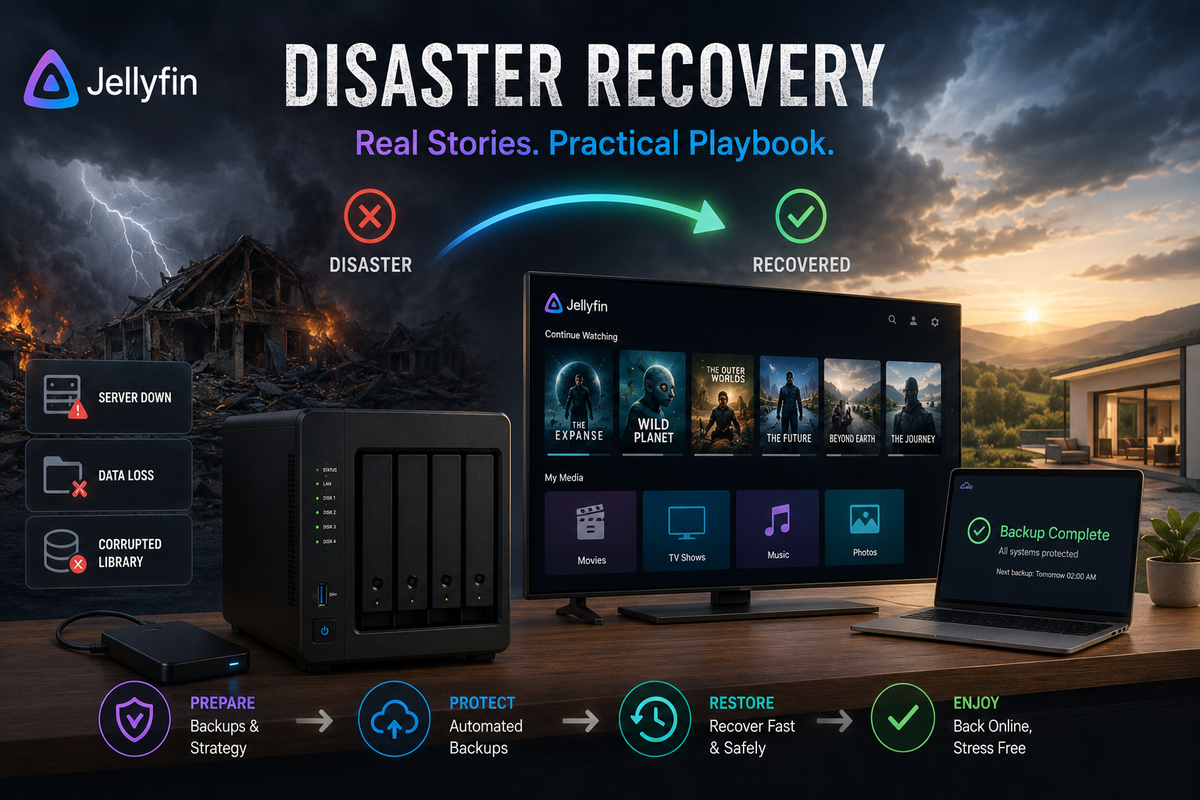
Jellyfin Disaster Recovery: Real Stories of Data Loss and the Recovery Playbook That Saves You (2026)
6 min read 118

Jellyfin Disaster Recovery: Real Stories of Data Loss and the Recovery Playbook That Saves You (2026)

Real stories from the Jellyfin community: corrupted databases after power outages, lost watch history from failed 10.11 migrations, drives dying with no backup, and accidental rm -rf on config folders. Each story includes what went wrong, what could have prevented it, and the exact recovery steps. Plus a complete disaster recovery playbook you can implement today.
Jellyfin vs Immich vs Photoprism vs Nextcloud Photos 2026: Complete Self-Hosted Photo Comparison
9 min read 425 2

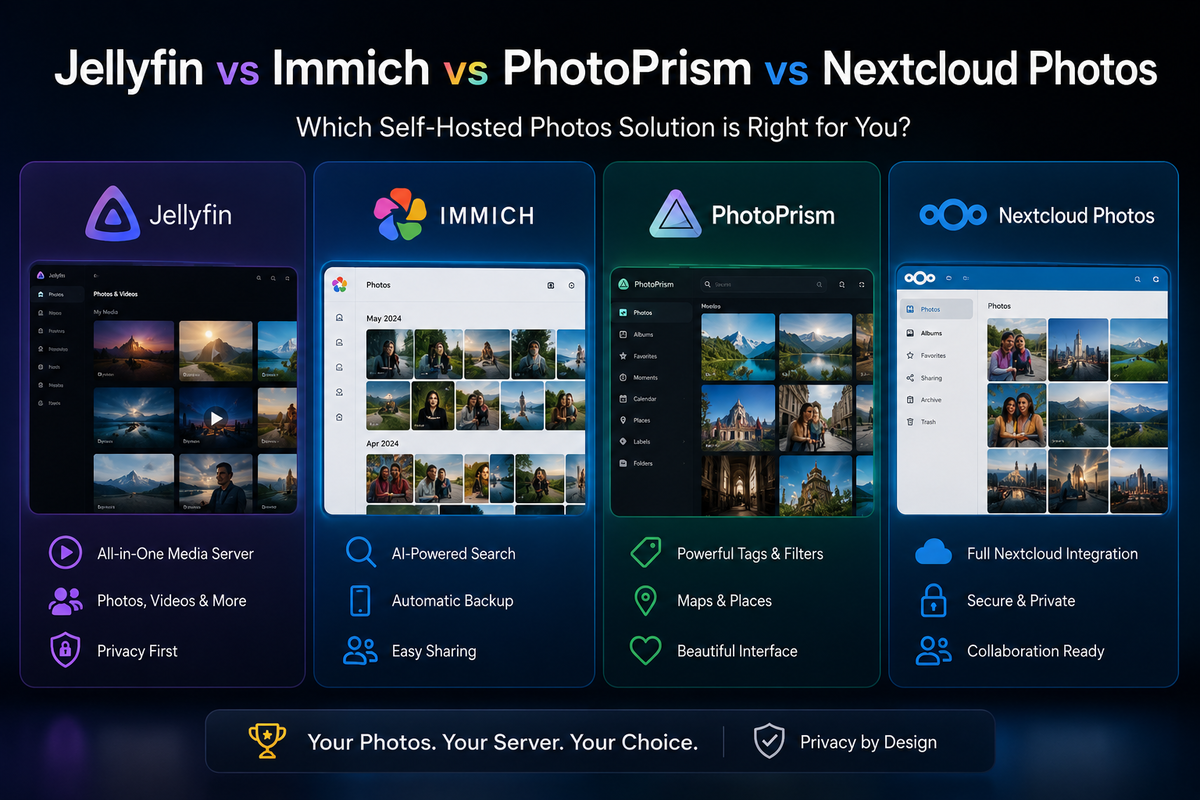
Jellyfin vs Immich vs Photoprism vs Nextcloud Photos 2026: Complete Self-Hosted Photo Comparison

Four self-hosted photo platforms, four completely different philosophies. This in-depth comparison covers AI face detection, mobile auto-upload, RAW support, video handling, storage architecture, and which combination gives you the best Google Photos replacement in 2026.

Tracearr: The Universal Playback Tracker for Jellyfin, Emby, and Plex (2026 Setup Guide)
5 min read 240

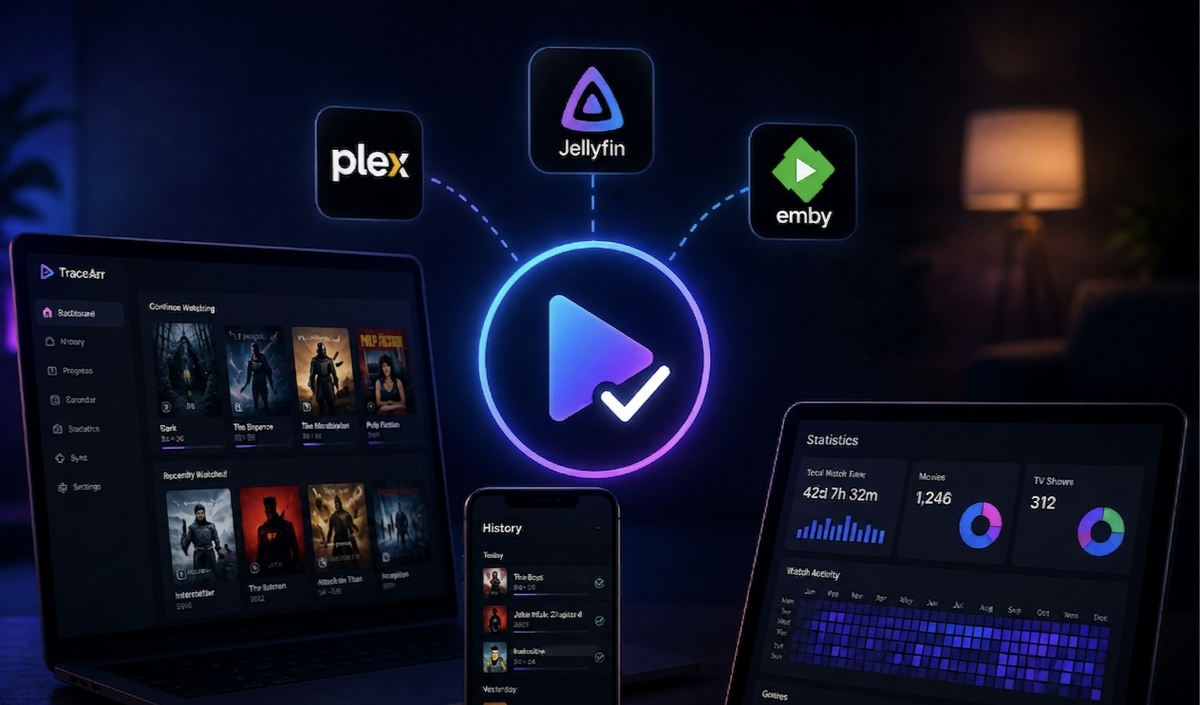
Tracearr: The Universal Playback Tracker for Jellyfin, Emby, and Plex (2026 Setup Guide)

Tracearr is a self-hosted playback tracking application that records viewing history from Jellyfin, Emby, and Plex simultaneously into a single unified database. Unlike server-specific plugins (Jellyfin Playback Reporting, Tautulli), Tracearr provides cross-platform analytics, long-term history retention, and integrates with tools like Emby Wrapped and Reclaimerr for year-in-review stats and storage cleanup decisions.

Jellyfin Multi-Server Architecture 2026: Load Balancing, Failover, and Geo-Distribution
6 min read 373

Jellyfin Multi-Server Architecture 2026: Load Balancing, Failover, and Geo-Distribution

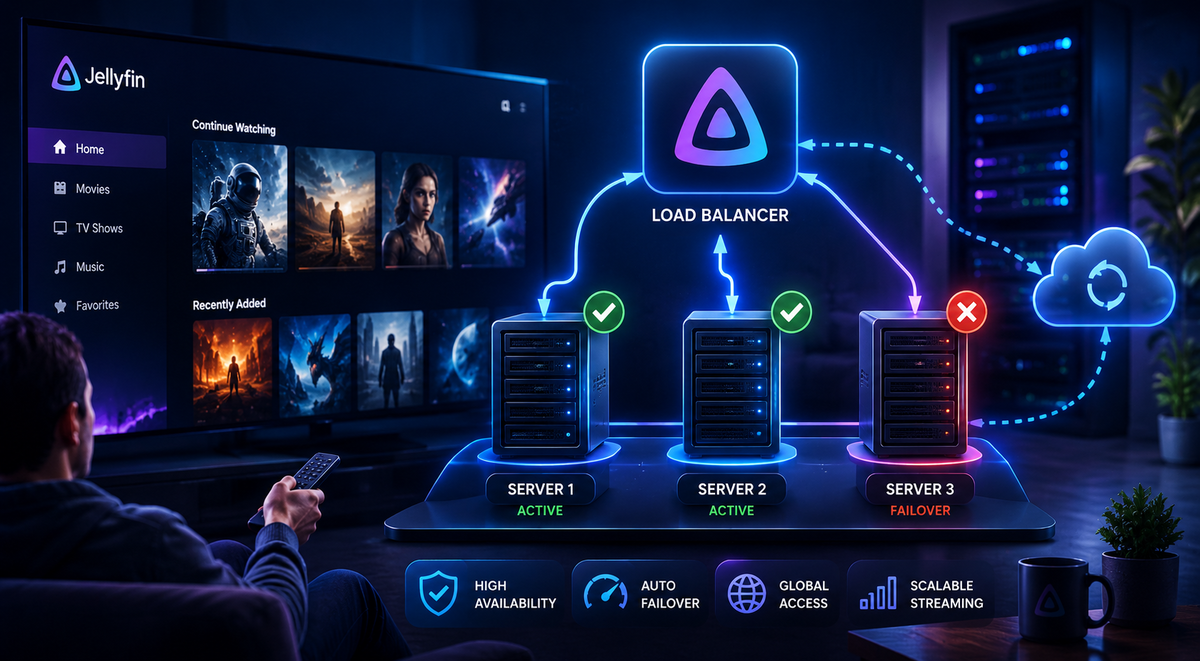
Running one Jellyfin server works for most users. But what happens when you have 20+ concurrent users, need geographic distribution for remote viewers, or require zero-downtime maintenance? This advanced guide covers multi-server Jellyfin architectures: shared storage with multiple instances behind a load balancer, active-passive failover, geo-distributed servers with WatchState sync, and the honest limitations of scaling Jellyfin beyond a single node.

Unraid vs TrueNAS vs Proxmox for Jellyfin 2026: Which NAS/Hypervisor OS Should You Choose?
8 min read 237

Unraid vs TrueNAS vs Proxmox for Jellyfin 2026: Which NAS/Hypervisor OS Should You Choose?

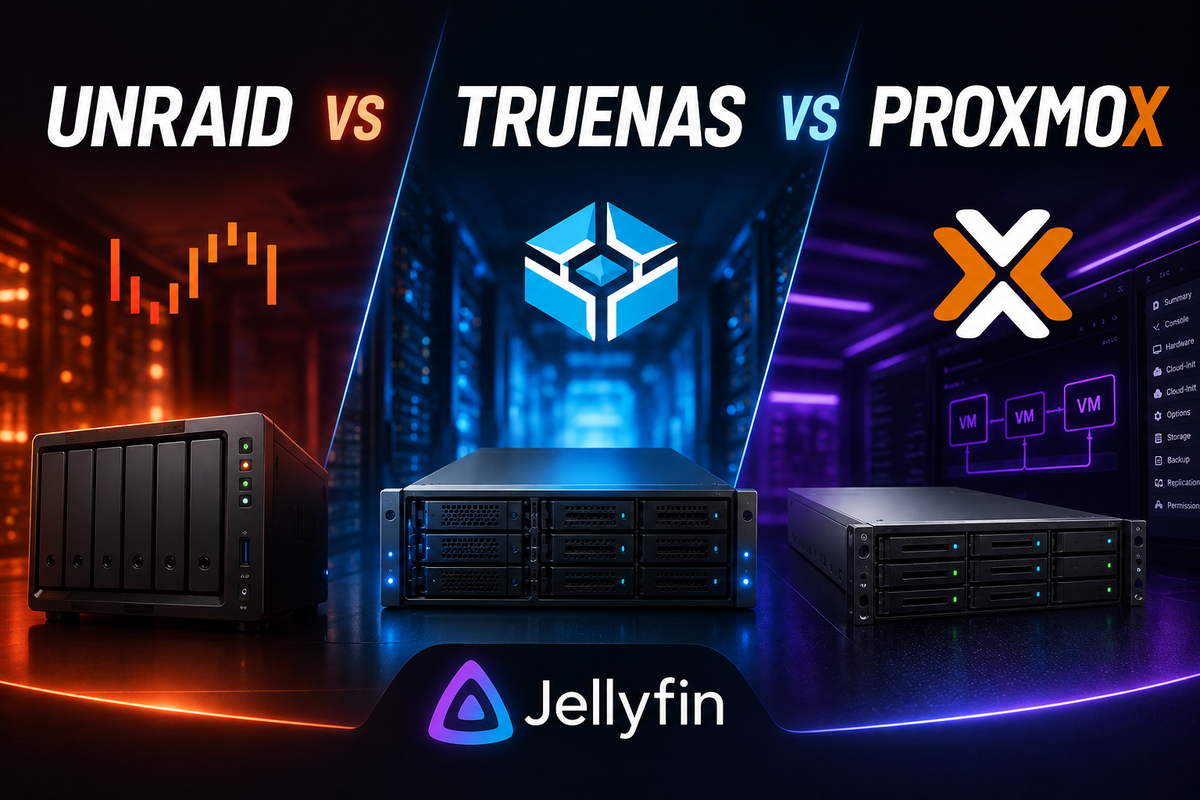
Three operating systems dominate the homelab space for running Jellyfin: Unraid (flexible, user-friendly), TrueNAS SCALE (ZFS, free, Docker-native since Electric Eel), and Proxmox (hypervisor with LXC and VMs). This comparison covers Docker support, GPU passthrough complexity, storage architecture, backup capabilities, community size, and total cost of ownership for each platform.

Self-Hosted vs Netflix + Spotify + Cloud Storage: Total Cost of Ownership Over 5 Years (2026)
6 min read 97

Self-Hosted vs Netflix + Spotify + Cloud Storage: Total Cost of Ownership Over 5 Years (2026)

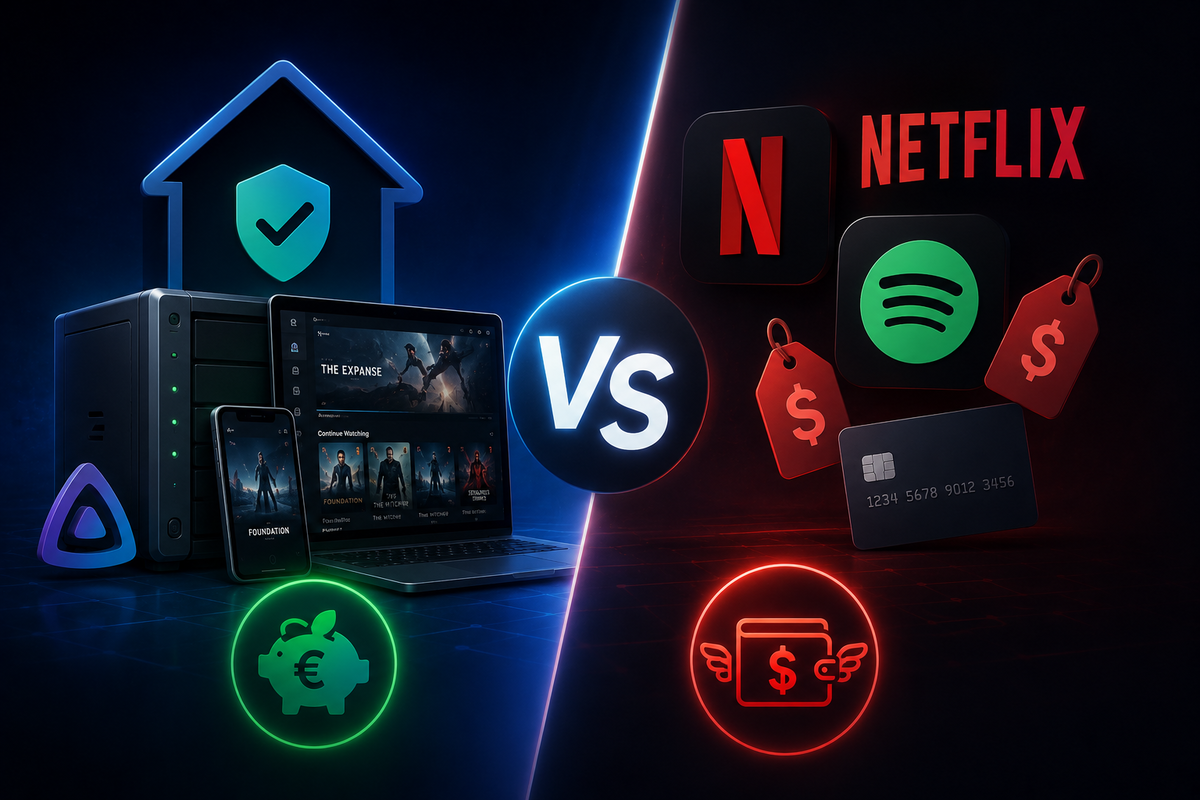
Is self-hosting actually cheaper than paying for streaming services? This detailed financial analysis compares the 5-year total cost of a self-hosted media stack (Jellyfin + hardware + storage + electricity) against the combined cost of Netflix, Spotify, Disney+, YouTube Premium, and Google Photos. Includes hardware amortization, electricity costs, and the break-even point for different library sizes.

Jellyfin on Kubernetes (K3s) 2026: High-Availability Media Server with Intel GPU and Persistent Storage
7 min read 180

Jellyfin on Kubernetes (K3s) 2026: High-Availability Media Server with Intel GPU and Persistent Storage

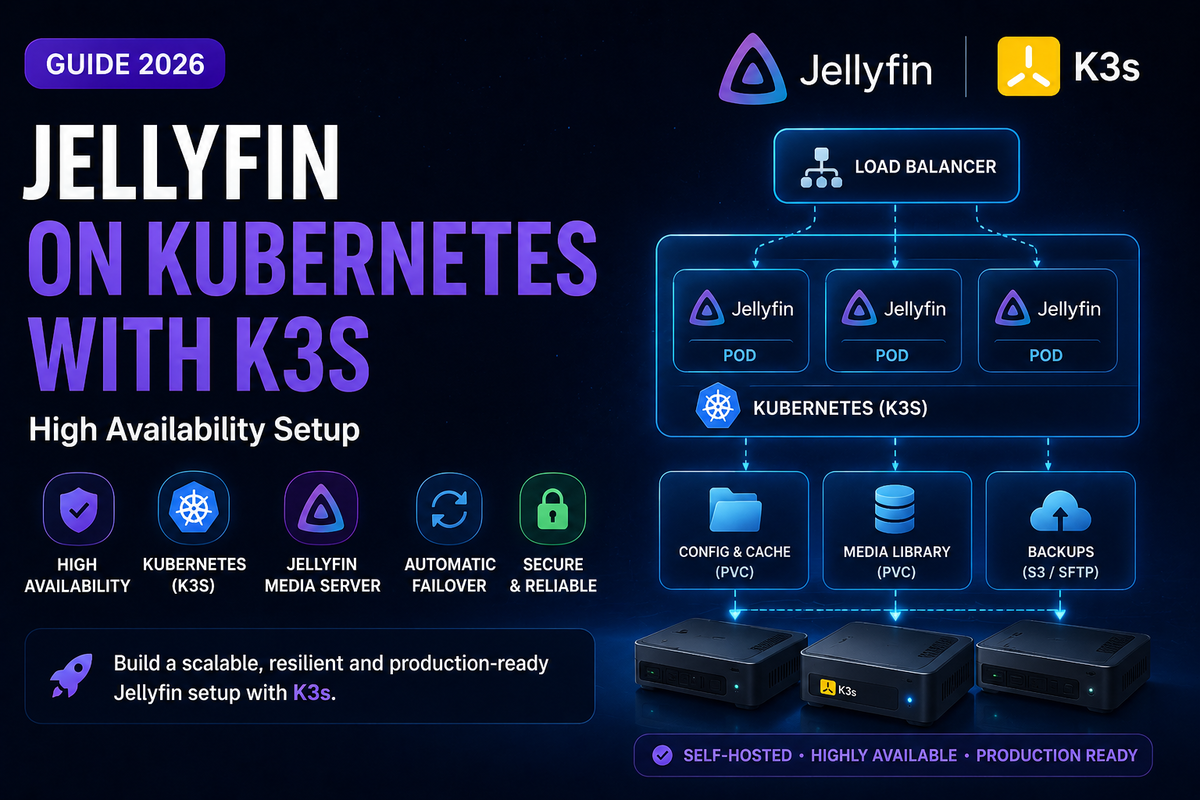
Run Jellyfin on Kubernetes using K3s for automatic restarts, rolling updates, and multi-node scaling. This guide covers K3s installation, Helm chart deployment, Intel GPU device plugin for hardware transcoding, persistent volume claims for config and media, Ingress with cert-manager for HTTPS, and horizontal pod autoscaling.

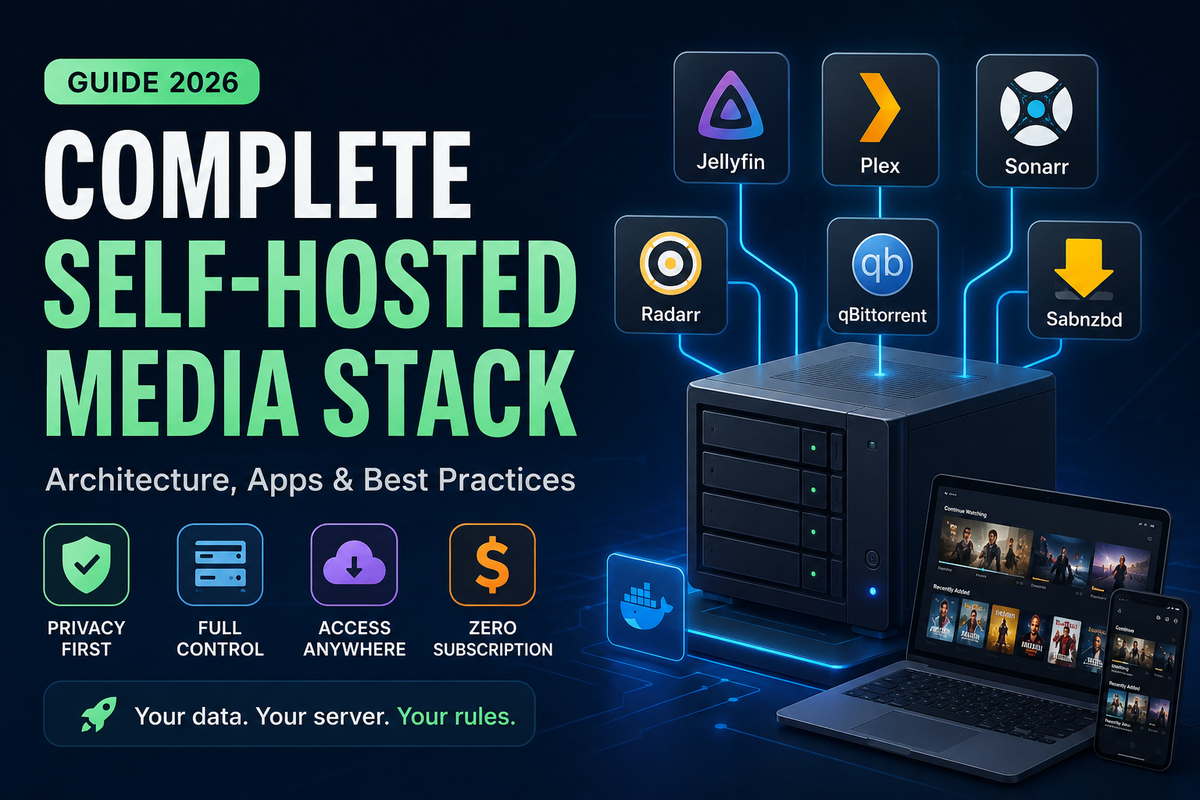
The Complete Self-Hosted Media Stack 2026: From Request to Stream (Full Architecture Guide)
9 min read 592

The Complete Self-Hosted Media Stack 2026: From Request to Stream (Full Architecture Guide)

Every tool in the self-hosted media ecosystem explained, how they connect, and the exact data flow from a user requesting a movie to it playing on their TV. Covers Seerr, Prowlarr, Radarr, Sonarr, qBittorrent, Bazarr, Tdarr, Jellyfin, and monitoring. Includes the complete Docker Compose and visual architecture.

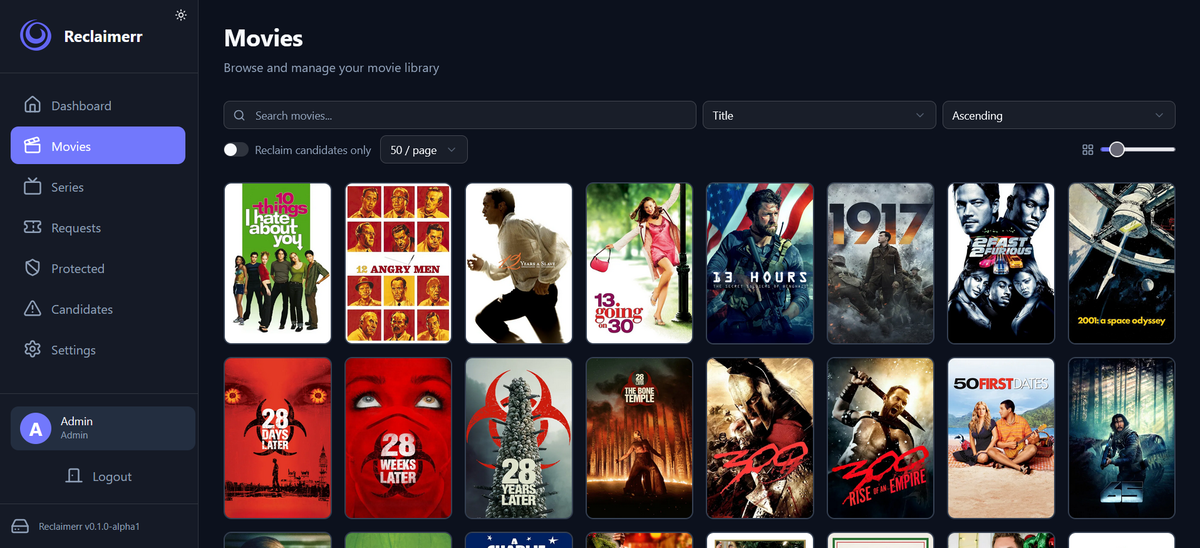
Reclaimerr: Automatically Reclaim Disk Space from Your Jellyfin, Plex, or Emby Library (2026)
9 min read 212

Reclaimerr: Automatically Reclaim Disk Space from Your Jellyfin, Plex, or Emby Library (2026)

Reclaimerr is a self-hosted application that helps you reclaim disk space by identifying unwatched and low-rated media in your library. It integrates with Jellyfin, Plex, and Emby (simultaneously if needed), supports Radarr and Sonarr for managed deletions, offers a protection system so users can save content from cleanup, and includes multi-user permissions with notification support via Apprise.