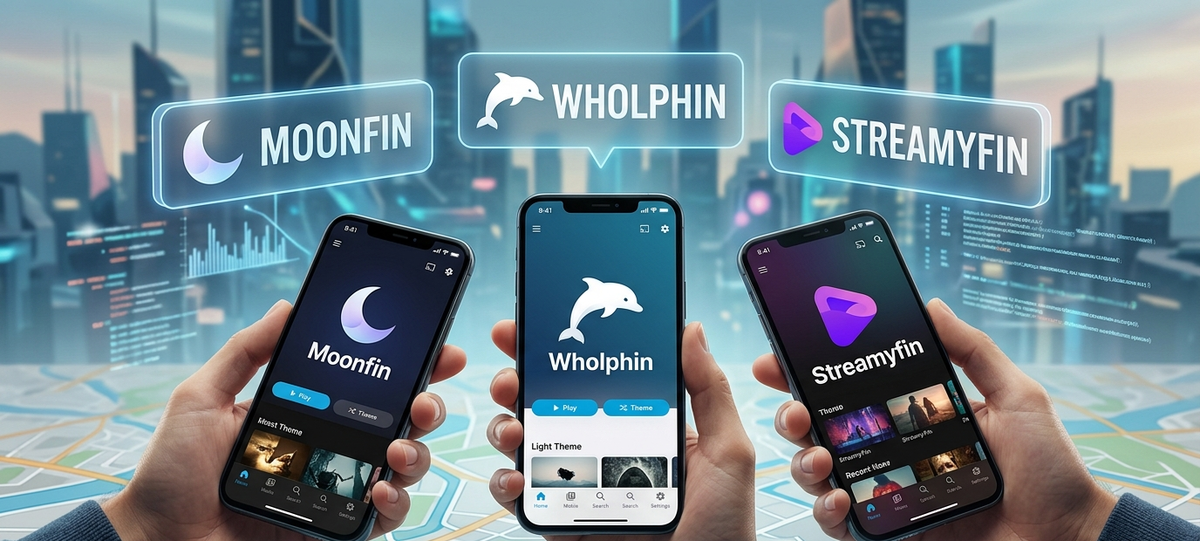
Moonfin vs Wholphin vs Streamyfin: Best Jellyfin Mobile & TV Client in 2026
Detailed comparison of the three leading third-party Jellyfin clients. Features, platform support, streaming quality, offline download, and which one fits your setup best.
Tips, updates, and guides from the JellyWatch team.
Detailed comparison of the three leading third-party Jellyfin clients. Features, platform support, streaming quality, offline download, and which one fits your setup best.

Dolby Vision comes in 8 profiles and they don't all play on every device. This guide explains every DV profile (5, 7, 8, and the others), which clients support each, how to identify the profile of your files, and how to convert Profile 7 Blu-ray remuxes to Profile 8 for wider compatibility.
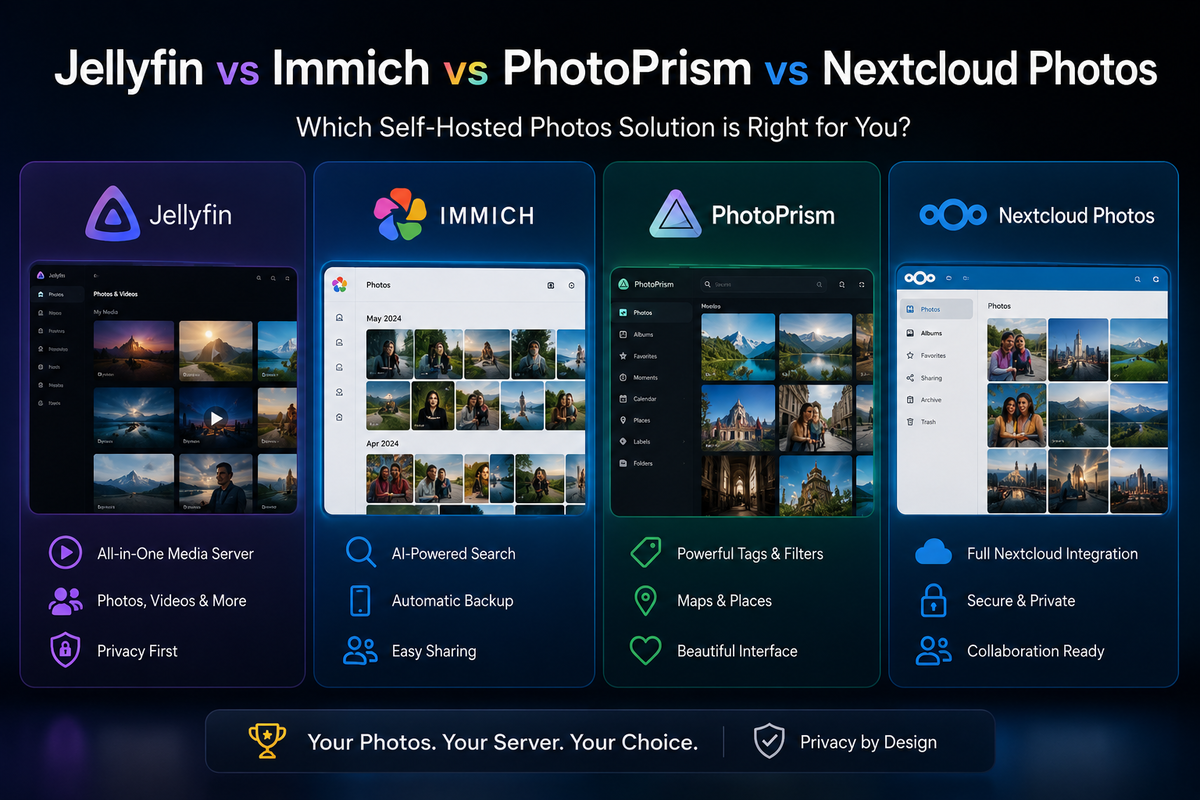
Four self-hosted photo platforms, four completely different philosophies. This in-depth comparison covers AI face detection, mobile auto-upload, RAW support, video handling, storage architecture, and which combination gives you the best Google Photos replacement in 2026.
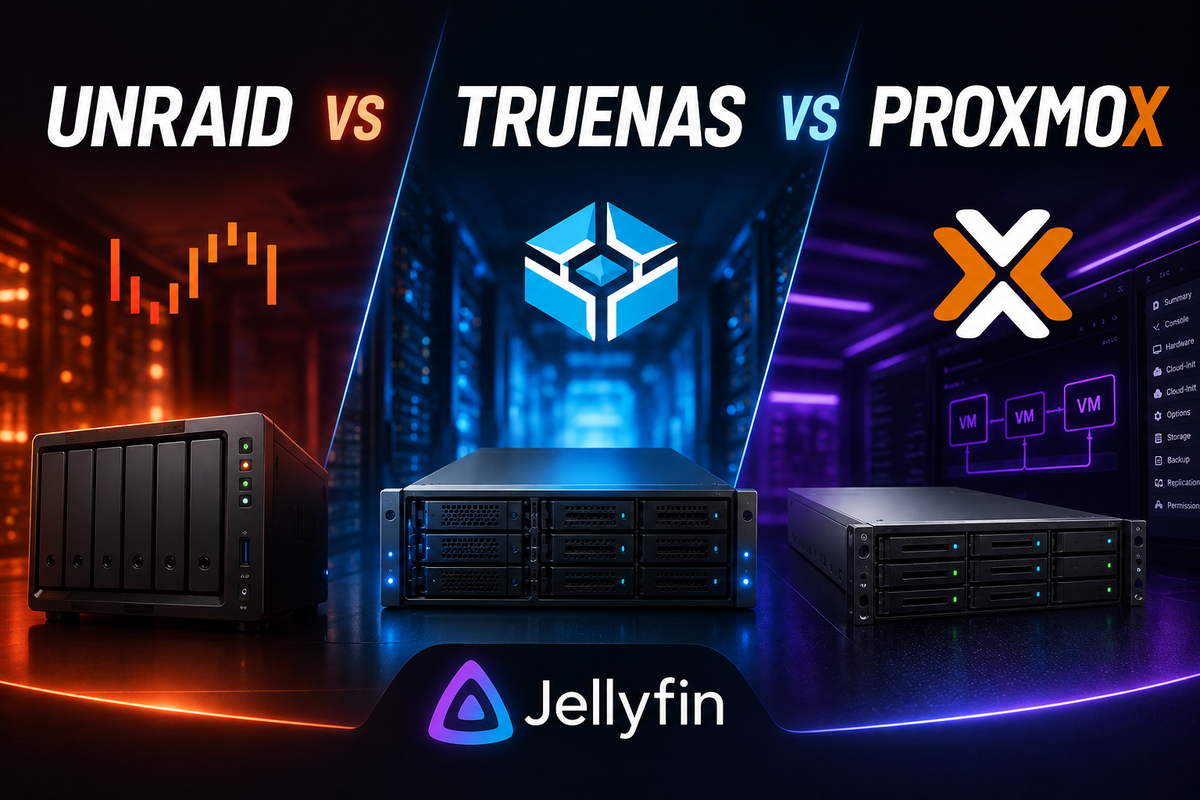
Three operating systems dominate the homelab space for running Jellyfin: Unraid (flexible, user-friendly), TrueNAS SCALE (ZFS, free, Docker-native since Electric Eel), and Proxmox (hypervisor with LXC and VMs). This comparison covers Docker support, GPU passthrough complexity, storage architecture, backup capabilities, community size, and total cost of ownership for each platform.
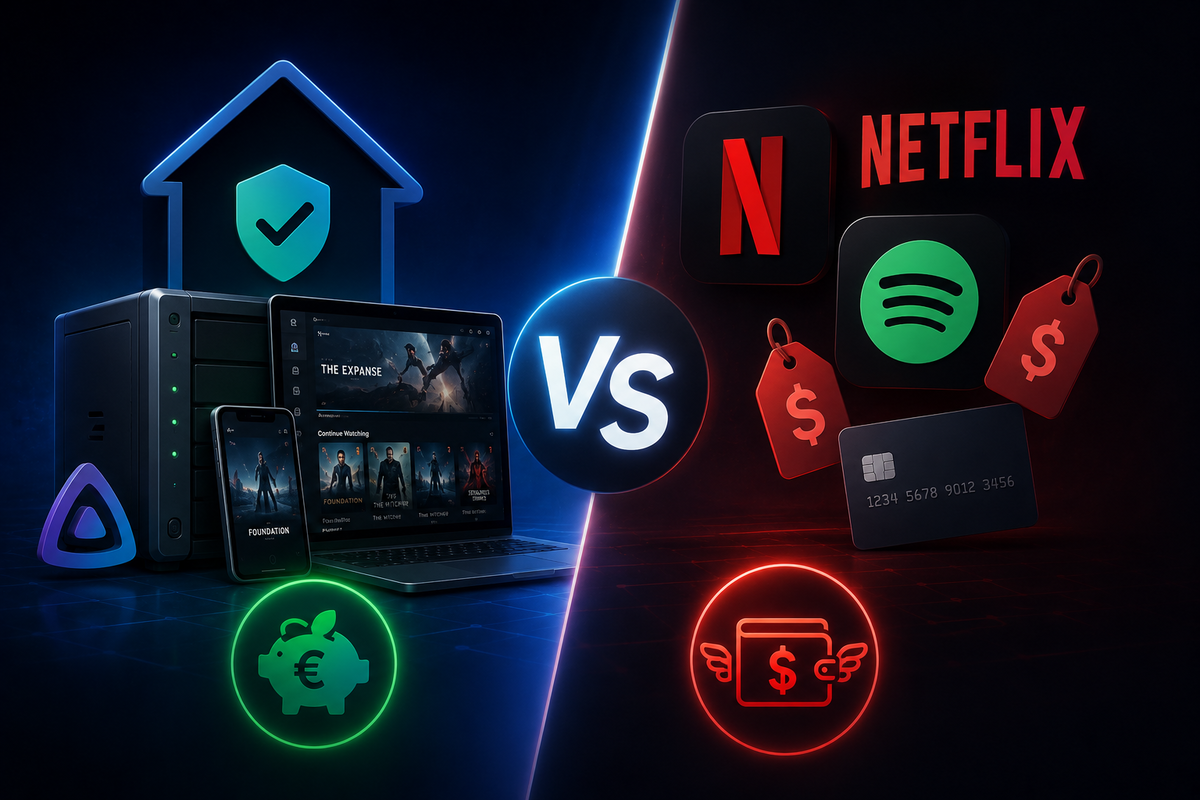
Is self-hosting actually cheaper than paying for streaming services? This detailed financial analysis compares the 5-year total cost of a self-hosted media stack (Jellyfin + hardware + storage + electricity) against the combined cost of Netflix, Spotify, Disney+, YouTube Premium, and Google Photos. Includes hardware amortization, electricity costs, and the break-even point for different library sizes.
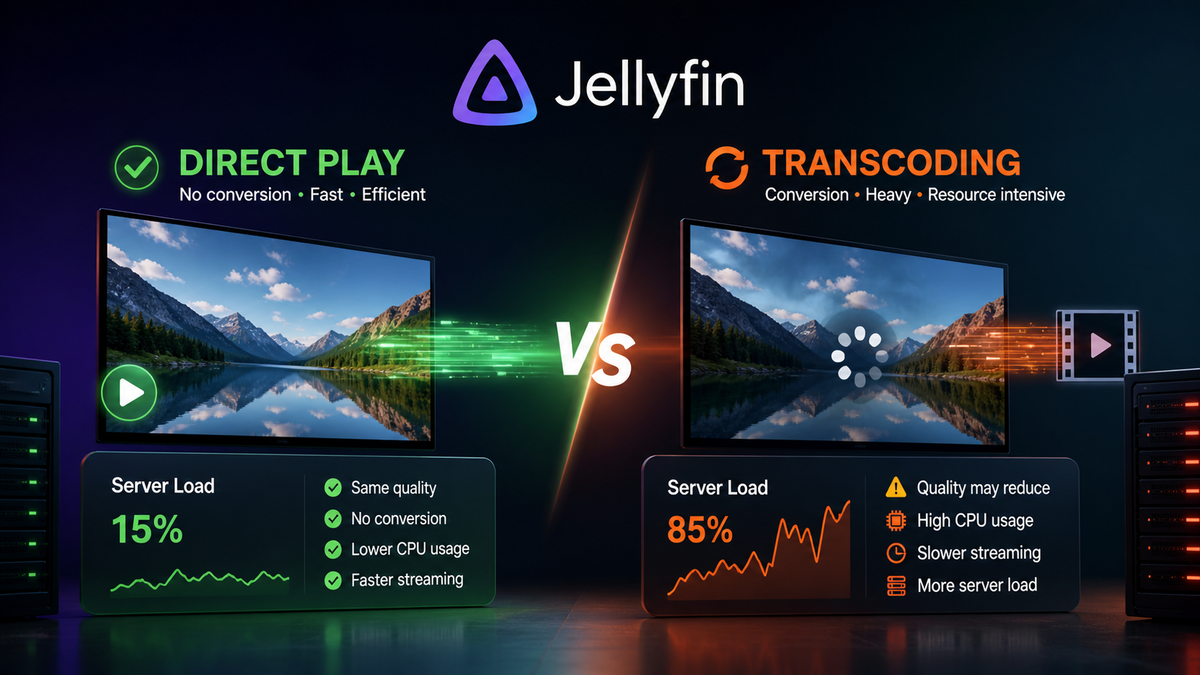
Direct Play uses zero CPU. Transcoding can max out your server. This guide explains every playback method in Jellyfin, why transcoding happens, how to identify it, and how to force Direct Play on every client for the best quality and lowest server load.

Jellyfin handles home videos and photo slideshows. Immich is a full Google Photos replacement with AI face detection, mobile auto-upload, and search by content. This comparison helps you decide which to use - or how to run both together pointing at the same files.
Jellyfin is a media server. Kodi is a media player. Stremio is a streaming aggregator. They solve different problems but many users confuse them. This guide explains each one clearly, compares features side-by-side, and shows how they work together for the ultimate setup.
A detailed technical comparison that went viral on the Emby community forums: after weeks of side-by-side testing, one long-time Emby user concluded that Jellyfin now outperforms Emby in transcoding quality, HDR tone mapping, AV1 support, and codec flexibility. Here is what the data shows.